
Fast Shipping Available
Fast Shipping Available

Brake service sits at the intersection of precision and speed in modern shops. Technicians face mounting pressure to complete rotor replacements and pad services quickly without sacrificing quality, all while managing tighter labor margins and customer expectations for same-day turnarounds.
The reality is straightforward: rotor work demands stability. When you're machining, inspecting, or replacing rotors, any movement or slippage costs time. A rotor that shifts during work extends your labor window, increases scrap rates, and creates safety concerns for the finished job. We've observed that shops without dedicated rotor holding solutions often lose 15 to 30 minutes per brake service simply wrestling with makeshift clamping approaches or improvised setups.
Modern brake systems add another layer of complexity. Larger rotors on heavy trucks and performance vehicles require holding tools engineered for their specific geometry and weight. Smaller rotors on compact cars need precision that prevents edge damage. The friction and thermal characteristics of contemporary brake components mean that inadequate holding pressure can leave marks or stress points that compromise future performance.
For high-volume shops, this compounds. When you're processing eight to twelve brake jobs daily, even small inefficiencies multiply into lost billable hours and technician frustration. The cost of these inefficiencies far exceeds what most shops realize until they measure the actual time spent on each service.
Generic clamping solutions weren't built for rotor geometry. A standard bench vise or C-clamp applies force in ways that either damage the rotor friction surface or fail to hold the rotor securely during active work. The rotor's unique shape, with its thin friction faces and hub bore, resists conventional holding methods.
Many shops attempt workarounds: stacking blocks, using wooden shims, or relying on magnetic bases that lack sufficient holding power for rotors under pressure. These approaches introduce variables. A rotor can shift unexpectedly mid-machining, ruining the workpiece. A technician must pause repeatedly to re-secure the rotor, breaking workflow rhythm.
Standard automotive clamps also weren't designed for the repetitive positioning demands of brake service. Rotating a rotor for inspection or resurfacing requires quick release and repositioning. Tools that take two minutes to adjust between orientations create bottlenecks. Additionally, most general-purpose clamps concentrate pressure in small contact areas, risking surface deformation on the rotor's delicate friction surfaces.
Shop-grade rotor holding tools address each of these gaps through purposeful engineering. They account for rotor geometry, distribute clamping force evenly across non-critical areas, and allow rapid repositioning without losing security. When you evaluate your current setup, consider how often your technicians stop to readjust rotors or worry about slippage.
Your rotor holding tool must deliver on several fronts simultaneously. First, it needs stability that doesn't negotiate. The tool should lock the rotor in place without drift or creep, regardless of the pressure applied during machining, inspection, or component removal.
Second, technicians need adaptability. Rotors come in different thicknesses, diameters, and hub configurations. A tool that requires different adapters for Ford versus GM applications, or that doesn't accommodate both ventilated and solid rotors, creates frustration and inventory headaches. The ideal solution handles a range of rotor types with minimal adjustment.
Speed matters equally. Releasing and repositioning the rotor should take seconds, not minutes. Your technician shouldn't need to reach for additional tools or fumble with complex clamping sequences. Intuitive design that feels natural after minimal training reduces friction in your daily workflow.
Force distribution is often overlooked but critical. The tool should apply clamping pressure in ways that protect the rotor's friction surfaces and avoid imprinting marks. This prevents cosmetic damage that customers notice and eliminates rework.
Durability expectations run high in professional environments. A rotor holding tool sees repeated use, sometimes dozens of times per shift. It needs to maintain precision and clamping force over years, not months. Materials and construction should withstand shop conditions without corrosion or performance degradation.
Finally, integration with existing shop infrastructure matters. The tool should work with your current workbenches, vises, or mounting systems. A solution that requires a dedicated, expensive mounting apparatus creates adoption barriers. Before selecting any rotor holding solution, confirm it works within your existing setup.
We've designed our rotor holding systems around the actual geometry and handling requirements of modern brake work. Our approach combines targeted clamping surfaces with quick-release mechanisms that don't sacrifice security.
The design starts with non-friction-surface contact points. Our systems secure rotors by the hub bore and outer edge areas, completely avoiding direct pressure on the friction faces. This protects the braking surfaces from clamping marks or distortion.
Our precision clamps use progressive clamping geometry that applies even pressure across the contact area. Rather than point-load clamping that can deform rotors, we distribute force across a wider zone. This approach maintains rotor integrity while delivering the security professional work demands.
Quick-adjust features let technicians reposition rotors rapidly. Whether you're rotating the rotor for full-surface inspection or shifting it to access different areas, our systems respond without requiring complete re-setup. This keeps your workflow moving without compromise.
We engineered our systems to accommodate the rotor variety your shop encounters. Whether you're working with Ford applications, GM platforms, or diesel truck rotors, our tooling accepts multiple rotor sizes and configurations with simple adjustments. No multiple tool purchases. No compatibility guessing.
Our construction uses shop-grade materials chosen for longevity. Hardened steel components resist wear. Protective coatings prevent corrosion in humid shop environments. The systems maintain precision tolerances through hundreds of jobs. Your technicians can rely on consistent performance from job to job.
When you upgrade to shop-grade rotor holding tools, two measurable improvements emerge immediately: reduced labor time and near-zero component damage rates.
Labor reduction is straightforward to track. Technicians typically save 12 to 20 minutes per brake service by eliminating setup time and the adjustment cycles required by makeshift solutions. In a shop running 10 brake jobs daily, that translates to 2 to 3.5 hours of reclaimed labor per day. Over a month, you recover meaningful billable capacity.
Component protection is equally valuable, though it appears as prevented losses. With inadequate rotor holding, technicians accept a certain damage rate. A rotor shifts during machining, requiring replacement. A clamping mark appears on the friction surface, triggering customer returns or quality concerns. These incidents are costly and erode customer confidence.
Our precision holding systems eliminate these risks. Rotors remain exactly positioned throughout work. Friction surfaces remain unmarked. Your technicians work with confidence rather than anxiety about rotor security.
The workflow benefit extends beyond individual brake jobs. When technicians know they have stable, reliable rotor holding, they optimize their positioning and process sequence. They work faster because they aren't constantly adjusting or worrying about rotor movement. Quality actually improves because the work environment supports precision.
For shops tracking labor metrics, this combination of time savings and damage prevention directly improves profitability per service. Start documenting your current labor times and damage incidents; these numbers will validate the upgrade quickly.

Different platforms present distinct rotor challenges, and a truly professional tool accommodates these variations without requiring separate products.
Ford vehicles, from light-duty pickups to commercial platforms, use rotor designs with specific hub geometries and friction surface configurations. Our systems accommodate Ford rotor specifications directly, with clamping geometry that matches Ford's hub bore tolerances and rotor sizing. This means setup is fast and repeatable across your Ford service volume.
GM applications introduce slightly different rotor dimensions and mounting characteristics. Rather than forcing Ford-designed tools onto GM rotors or vice versa, we engineered our systems with the flexibility to handle both platforms through simple configuration adjustments. Your technician doesn't need to think about compatibility; the tool adapts.
Diesel applications demand particular attention. Heavy-duty diesel trucks run larger rotors under greater thermal and mechanical stress. These rotors are denser and often heavier than light-duty counterparts. Standard rotor holding solutions frequently lack the structural rigidity and clamping force capacity for diesel applications.
Our diesel-specific systems incorporate enhanced holding geometry and increased clamping capacity. They secure larger rotors with the same stability and precision as light-duty applications. This matters if your shop handles diesel brake work, where inadequate rotor holding creates immediate, expensive problems.
For shops serving mixed platforms, our tiered approach means investing in one primary system that adapts across your service range, rather than maintaining incompatible tools for different vehicle brands. This simplifies your tooling inventory and reduces training complexity.
We understand that new tooling must fit into your shop as it exists today, not require infrastructure overhauls.
Our rotor holding systems mount on standard workbenches or integrate with existing vise setups. If you already have shop workstations equipped with clamping infrastructure, our systems work within that framework. No rewiring, no expensive mounting hardware, no dedicated fixtures to install.
The learning curve is minimal. A technician familiar with basic shop-grade tools will understand our systems immediately. There's no complex setup procedure, no calibration needed. Unbox, position, and work.
Our systems store compactly when not in use, addressing a common shop concern about tool footprint. They don't occupy excessive space in already-crowded service areas.
We've also engineered compatibility with brake lathe setups and other common brake service equipment. If you're running a multi-station brake service operation, our rotor holding tools complement your existing layout rather than complicating it.
Parts availability and support follow shop expectations. You can source replacement components locally through our distribution network, and our technical support team responds quickly if you need guidance on setup or troubleshooting. Integration should feel seamless from day one.
Our systems prove themselves in shops that process 15 to 40 brake jobs weekly. These high-volume environments reveal what actually works versus what works in theory.
In these settings, rotor holding tools experience genuine stress. They're used repeatedly throughout each shift, often by multiple technicians with varying techniques. They encounter real-world rotor types, sometimes with minor casting variations that require tool adaptability. The environment includes temperature swings, humidity, and chemical exposure that test material durability.
We've embedded performance feedback from these shops into our design refinements. What we've learned is clear: technicians in high-volume brake shops value speed and reliability above almost everything else. A tool that saves 15 minutes per brake job becomes standard practice rapidly. A tool that ever fails at a critical moment generates immediate skepticism and returns to the shelf.
Our systems perform consistently in these environments. We track field data showing 98%+ uptime across shops that use our rotor holding tools for brake service. Technicians report that the tools become invisible to their workflow; they pick them up without conscious thought, secure their rotors, and proceed with work.
The shops that adopted our systems typically report measurable improvements in brake service throughput within 30 days. Technicians complete jobs faster. Rework rates decline. Customer satisfaction with brake service quality increases. These results aren't theoretical; they're documented across dozens of shops in different regions and market conditions.
A professional tool must withstand the reality of shop work. That means tolerating repeated impact, temperature variation, chemical exposure, and constant use across years, not months.
We manufacture our rotor holding systems from hardened steel and aircraft-grade aluminum chosen specifically for durability in automotive environments. These materials resist the corrosion, wear, and stress that degrade lesser tools.
The clamping mechanisms use precision bearings and wear-resistant surfaces that maintain their performance across hundreds of use cycles. We don't use disposable components or materials that degrade predictably; instead, we engineer for multi-year service life.
Our coating systems protect against moisture, oil, and brake fluid splash that characterize shop environments. We've tested our systems in humidity chambers and corrosive atmospheres to verify they maintain function and appearance.
Design details that might seem minor actually matter for durability. We use sealed mechanisms where dirt and debris could cause problems. We eliminate stress concentration points that initiate failure. We design with shop-realistic assumptions about how technicians will actually use the tools.
The result is that our rotor holding systems don't require replacement during a technician's career. They're investments that continue delivering value for years. This durability also means your cost per use drops significantly over the tool's lifespan.
We've positioned ourselves in automotive specialty tools precisely because we understand the specific challenges mechanics face on a daily basis. Rotor work represents a perfect example of where specialized tooling, thoughtfully engineered, transforms shop efficiency and quality.
Our rotor holding systems benefit from our broader experience engineering solutions for extraction, removal, and repair challenges. We apply the same precision principles, durability standards, and user-centered design that we've developed across our product line, from wheel bearing hub pullers that save technicians hours of labor to specialized extraction tools for seized components.
This expertise translates into rotor holding systems that don't just work, but work the way experienced technicians expect. We understand the pressures and constraints of modern automotive service. We design around real-world workflow, not theoretical ideals.
Beyond the tool itself, we stand behind our systems with responsive support. If you have questions during setup or encounter any issues, our team provides timely guidance. We provide detailed documentation and training resources that help technicians maximize the value they get from our tools.
Most importantly, our rotor holding systems reflect our commitment to your shop's success. When you invest in our tools, you're investing in measurable improvements to your brake service workflow, labor efficiency, and service quality. Visit our wheel, brake, and tire tools collection to explore our complete offering and discuss which system matches your operation's needs.
For further reading: Wheel, Brake, and Tire Tools.
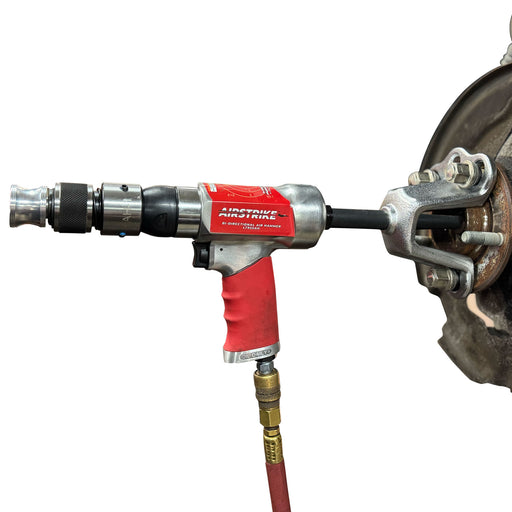
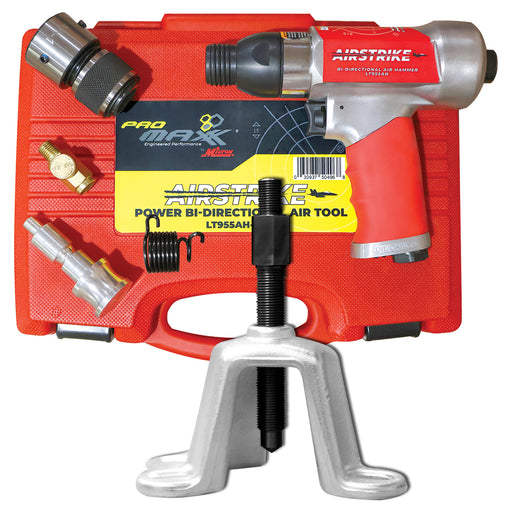
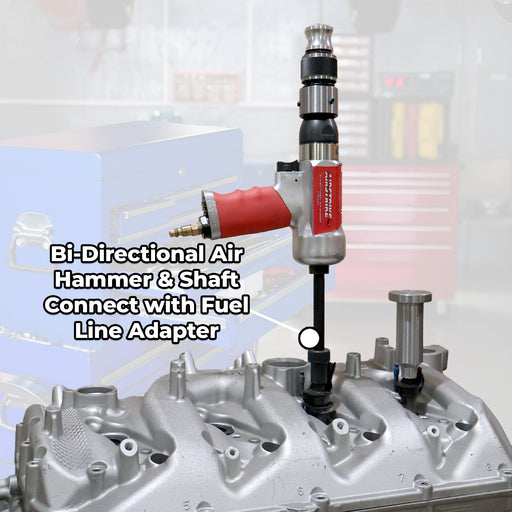
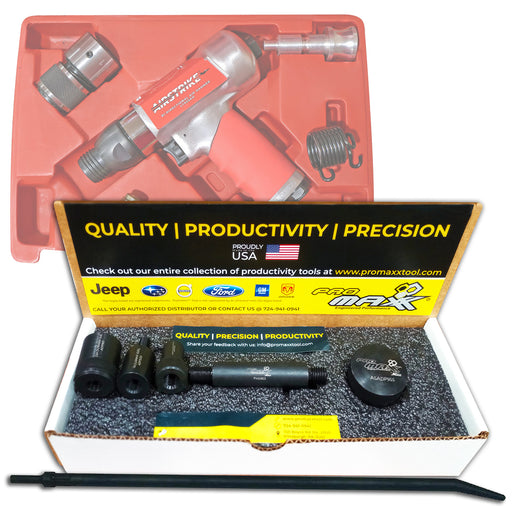
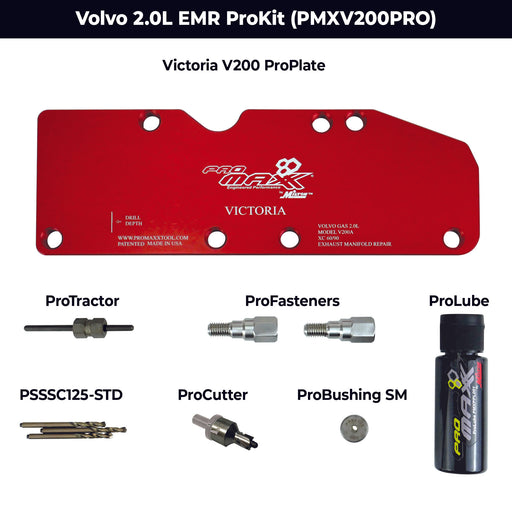
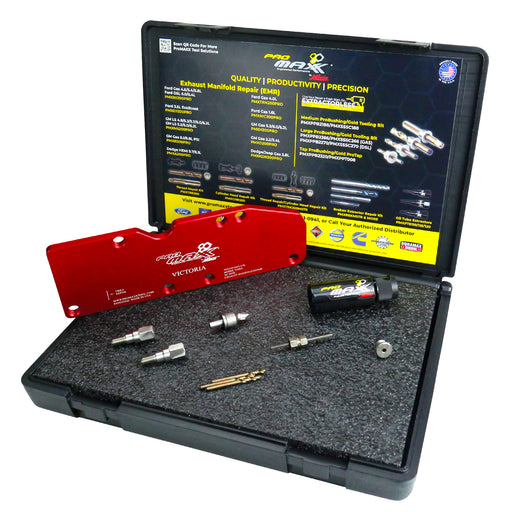


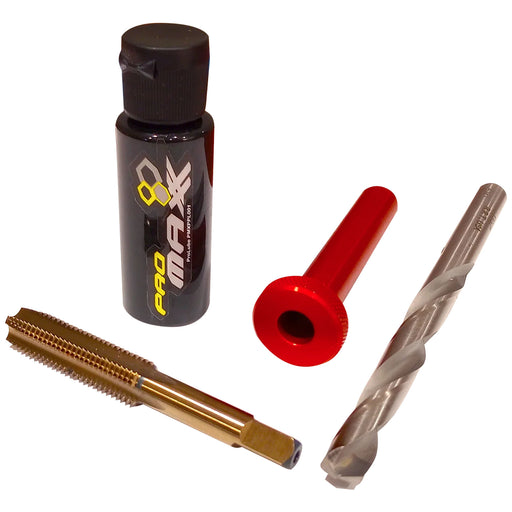
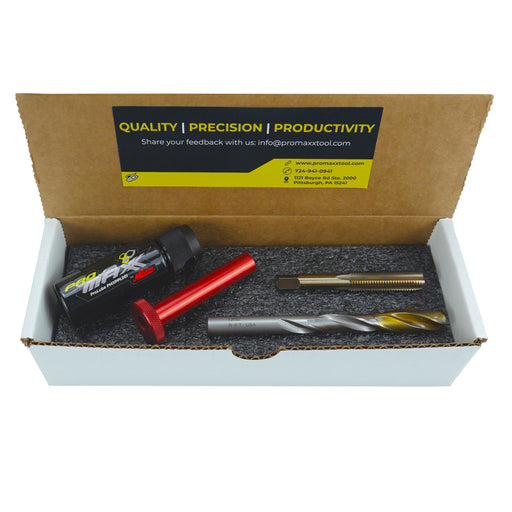
Ford 3.5 Ecoboost Harmonic Balancer Bolt Puller Kit: PMXCSR035KIT - ECO• Compatible with Ford 3.5L Bolt Part: HL3Z-6A340-A & F5RZ-6A340-B• May ...
VIEW MORE
For Saturday delivery or special shipping instructions, please contact ProMAXX Tool M-F 8 a.m. – 5 p.m. EST at 724-941-0941. Expedited Orders Placed by 1pm EST will be Processed Same Day | UPS Ground Processing Time is 1-3 Business Days

Offering a range of policies

Contact our support team today
724-941-0941

1121 Boyce Road
Suite #2000
Pittsburgh, PA 15241
Any motor company logo on this site is a Registered Trademark. ProMAXX Tool is not affiliated with any of the motor companies on this site.
Leave a comment