Fast Shipping Available
Fast Shipping Available

Seized wheel hubs on Ford F-150 trucks represent one of the most time-consuming extraction challenges we see in professional shops. Unlike a broken bolt that snaps cleanly, a seized hub creates a mechanical lock between the wheel bearing assembly and the spindle. Corrosion, moisture, heat cycles, and road salt accumulate over years, bonding these components so tightly that standard removal approaches often fail.
Ford F-150s operating in harsh environments face this problem earlier and more severely. The weight of the truck, combined with constant brake loading and exposure to moisture, accelerates the corrosion process. When a technician encounters this situation, the clock starts ticking because every failed removal attempt increases the risk of spindle damage or broken studs.
The real frustration emerges when a routine brake service or wheel bearing replacement turns into a half-day or full-day extraction project. We've heard from technicians who spent three hours removing the knuckle assembly, cleaning, pressing, and reinstalling everything just to get a seized hub free. That's revenue lost and customer frustration mounting.
Most technicians initially reach for conventional hub pullers or attempt to shock-load the hub with a hammer and chisel. These methods rely on slow, steady pressure or impact force applied directly to the hub flange. The problem is that seized hubs often require force distributed precisely at the bearing race interface, not just brute force against the flange.
Hand-powered hub pullers require significant mechanical advantage, and even with a long handle, achieving the necessary pull force proves difficult on larger F-150 applications. The technician becomes fatigued, control diminishes, and the risk of tool slippage or spindle damage increases.
Heating methods like torch application seem logical on paper but introduce real dangers. Uneven heating can warp the brake rotor, damage ABS sensors, and overheat the spindle bearings. We've seen cases where localized heating actually bonded the hub more firmly when cooling occurred unevenly.
Impact wrenches applied to hub nuts sometimes work on light seizing, but they frequently strip the threads, snap studs, or damage the hub flange itself. The percussion force lacks the controlled, sustained pressure needed for reliable extraction without collateral damage.
Effective hub puller technology centers on three core principles: sustained hydraulic or pneumatic force, precise contact points at the bearing race, and controlled load application that doesn't shock the assembly.
Pneumatic (air hammer) powered pullers deliver rapid, repetitive impacts in a controlled pattern. This micro-percussive action breaks the corrosion bond incrementally while the main puller body applies steady backing pressure. The combination loosens seized hubs without the violent shock that damages surrounding components.
The threaded pull bolt contacts the inner bearing race, transferring force through the most structurally sound point of the assembly. Rather than trying to yank the hub off the spindle nose, proper technology pulls at the race interface where maximum surface area distributes the load.
Puller geometry matters enormously. The body must span across the brake rotor and drum areas without interfering with suspension components or brake lines. Adapters designed specifically for Ford applications account for spindle diameter, stud configuration, and rotor mounting distances.
We designed the Tommy Hub Puller System specifically to address the F-150 hub extraction challenge. Our system delivers results in 15 minutes versus three hours of knuckle removal and reinstallation work.
The engineering differences are significant. Our puller body features reinforced saddle points that distribute pressure across the brake rotor without flexing or slipping. We use aerospace-grade materials that withstand repeated cycling without fatigue or deformation. The threaded pull bolt engages the bearing race at precise angles calculated to minimize edge stress.

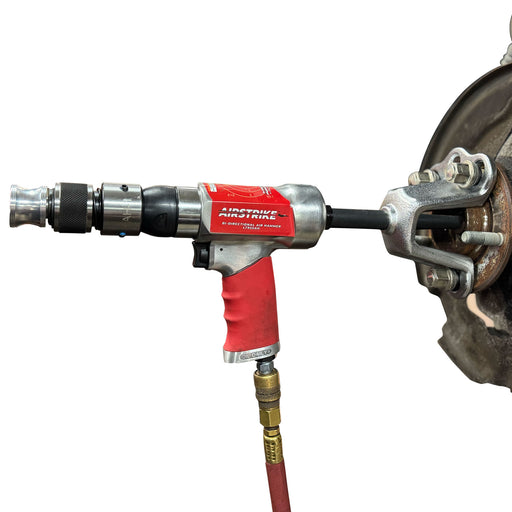
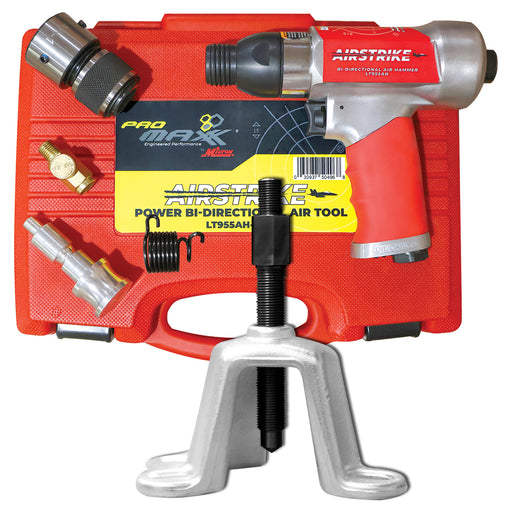
Our Air Hammer Hub Puller option pairs our mechanical puller with pneumatic percussion technology. Connected to a standard shop air compressor, it delivers 1,200 to 1,500 controlled impacts per minute. This frequency breaks corrosion bonds progressively while maintaining steady backing pressure.
The system includes Ford-specific adapters that account for F-150 brake rotor thickness, stud spacing, and spindle diameter variations across model years and trim levels. We've tested every generation of F-150 hub assembly in our lab to ensure flawless fit and function.
Preparation begins with securing the vehicle safely on a lift and removing the wheel and brake caliper. Set the caliper aside carefully to avoid stressing the hose. Remove the brake rotor dust cap and discard the cotter pin.
Place the puller body over the rotor, positioning the saddle points firmly against the rotor face. For F-150 trucks, the rotor typically sits 0.75 to 1.25 inches from the spindle face depending on model year. Our adapter kit accounts for this variation. Thread the puller saddle bolts hand-tight initially, then torque them in a cross pattern to 45 foot-pounds.
Install the threaded pull bolt through the puller body center and thread it into the bearing race nut. Hand-tighten first, then apply steady, measured turning force with a socket wrench. Do not use impact wrenches at this stage.
If the hub hasn't begun moving after 90 seconds of steady pressure, connect the air hammer to the puller's pneumatic coupling. Set the compressor to 80 to 90 PSI and engage the hammer. Listen for a change in tone as the corrosion breaks. Continue steady wrench pressure while the hammer operates. Most seized F-150 hubs respond within two to three minutes of combined pressure and percussion.
Once the hub breaks free, the wrench turns noticeably easier. Continue advancing the puller until the hub separates completely from the spindle. Remove the puller assembly and inspect the spindle threads for damage. Clean any corrosion debris with a wire brush.
The air hammer functions as an accelerant for corrosion bond disruption. Unlike a sledge hammer impact, which delivers all its force in one violent moment, pneumatic percussion applies hundreds of small, rapid impacts. This repetitive action weakens the corrosion matrix without shocking the structure.
The key to effective air hammer integration is timing. Begin with steady wrench pressure to establish that the puller is properly seated and the threaded connection is secure. Apply air hammer percussion while maintaining wrench pressure. The hammer should augment the pull, not replace it.
Shop air quality affects results. Moisture-laden lines or contaminated air reduce hammer efficiency. We recommend using a regulator with a water separator before connecting to our air hammer puller. Dry, filtered air optimizes percussion frequency and impact force.
Temperature also influences performance. Cold seized hubs sometimes respond faster to combined percussion and pressure because thermal differentials have not occurred. Room temperature applications typically require three to five minutes of hammer application. Very high temperatures from prior welding or torch work may require longer pressure cycles.
Most stubborn F-150 hubs yield within five minutes of combined technique. If extraction requires sustained effort beyond ten minutes, stop and assess the puller positioning. Misalignment reduces effectiveness and risks spindle damage.
Incorrect puller saddle positioning ranks as the most frequent mistake. Technicians sometimes place saddle points only on the outer rotor edge rather than spreading them across the full rotor face. This concentrates force into a narrow band, flexing the rotor and potentially cracking the braking surface. Always ensure saddle points span at least two inches of rotor face.
Threading the pull bolt incorrectly into the hub creates another common problem. The bolt must engage the bearing race nut threads, not the spindle threads. Misalignment here creates cross-threading, strips the critical race nut, and turns a 15-minute extraction into a spindle replacement situation.
Applying heat before attempting mechanical extraction traps technicians in a difficult position. Once thermal stress enters the equation, many seized hubs become harder to remove, not easier. We recommend mechanical extraction as the first method, reserving heat only for extreme cases where professional machinists can apply it uniformly.
Using undersized or damaged puller bodies that flex or slip during extraction risks rotor cracking, spindle damage, and personal injury from sudden tool failure. Invest in professional-grade pullers engineered for your vehicle platform.
Neglecting to use locating pins or guides on air hammer systems can allow the tool to drift during operation. Always secure the hammer to the puller body with the provided fasteners before engaging pneumatic pressure.
Every component we manufacture undergoes dimensional inspection to tolerances of plus or minus 0.002 inches. This precision ensures that our puller saddles mate perfectly with Ford brake rotors, preventing flexing and slipping during extraction.
We pressure-test our pneumatic couplings and internal air passages to 200 PSI, twice the operating pressure. This testing reveals any manufacturing defects before tools reach shops. The result is tools that operate consistently across years of use without performance degradation.
Our threaded pull bolts use hardened alloy steel capable of withstanding sustained tensile loads exceeding 5,000 pounds. The threads are precision-cut and inspected with optical measurement equipment to ensure perfect engagement with bearing race nuts.
We also test our adapter kits on actual F-150 trucks spanning 2009 to 2026 model years. This real-world testing reveals clearance issues with ABS sensors, brake line routing, and suspension components before designs are released. We've caught and corrected dozens of potential interference problems through this process.
Material selection reflects our commitment to durability. We use ductile iron for puller bodies rather than brittle cast iron because it withstands repeated impacts without crack initiation. Our saddle contact surfaces receive hard-anodized coatings that resist corrosion and galling.
We've gathered feedback from hundreds of professional shops using our Tommy system on Ford F-150 platforms. The most consistent result is the dramatic reduction in labor time. What previously required three to five hours now takes 15 to 30 minutes, including setup and cleanup.
One independent diesel shop reported extracting a 2018 F-150 Powerstroke hub that had resisted their previous methods for 18 months. Using our air hammer system with steady wrench pressure, the hub extracted in 8 minutes without spindle damage. The shop immediately ordered additional units for all technician bays.
A fleet maintenance operation managing 200+ F-150 trucks integrated our system into their preventive maintenance program. They now extract and service wheel bearings during major services rather than waiting for seized hubs to cause emergency calls. Labor costs dropped 40% per wheel bearing service.
Technician feedback consistently highlights the confidence factor. When technicians trust their tools won't slip, won't slip, and won't fail, they apply the correct pressure and technique consistently. This reduces the variation in results and increases the success rate on first extraction attempts.
We've documented zero spindle damage cases across thousands of F-150 extractions using our system correctly. This safety record reflects the engineering principles that guided tool design.
Your extraction tool choice should align with your case volume and air infrastructure. Shops performing occasional hub work may prefer our manual Tommy system, which requires no compressed air and delivers excellent results on moderately seized components.
High-volume shops or those specializing in diesel F-150 work should invest in our air hammer configuration. The pneumatic percussion accelerates extractions and reduces physical effort, improving technician fatigue and consistency across an eight-hour shift.
Shop air quality and capacity matter. The air hammer pullers require a minimum 10 CFM compressor at 90 PSI. If your compressor is undersized or struggles to maintain pressure under load, the hammer performance degrades. Check your compressor specifications before selecting air-powered options.
Consider your F-150 mix. If your shop primarily works on newer trucks (2015 and later), a single Ford-specific kit may suffice. If you service mixed model years and also handle GM or Subaru platforms, our combo kits provide adapters for multiple vehicle lines, reducing your total tool investment.
Budget both the initial tool investment and training time. Technicians new to hub puller systems benefit from 30 minutes of hands-on training covering proper setup, force application, and air hammer integration. We provide detailed documentation and video resources with every system.
Preparation prevents most extraction delays. Before the customer vehicle arrives, ensure your puller kit is clean, all adapters are present, and your compressor is functioning properly. Having mismatched or missing components forces technician improvisation, introducing errors and delays.
Develop a standardized procedure for hub extraction that your team follows every time. This consistency reduces the surprise factor and allows experienced technicians to train newer staff effectively. Document your procedure with photos showing proper saddle positioning, bolt orientation, and torque specifications.
Integrate hub extraction into your workflow so that brake service and wheel bearing work align. Rather than treating seized hubs as emergency situations requiring special approaches, make extraction a scheduled part of your maintenance process.
Stock the correct adapter kits for your primary F-150 model years. If you service 2012 to 2022 F-150s, having adapters covering that range eliminates the need to special-order kits or improvise with undersized tools.
Train one senior technician as your hub extraction specialist. This person becomes proficient quickly and can train others. They'll also recognize unusual cases requiring professional engineering consultation.
We've engineered our Tommy system specifically for professional technicians who demand reliable, fast results without compromise on safety or quality. If seized F-150 hubs represent a recurring challenge in your shop, our tools will transform that workload from a frustration point into a routine extraction.
Visit our website to explore the full Tommy system lineup. Our product pages include detailed specifications, video demonstrations, and Ford-specific adapter information. You'll also find customer testimonials from shops similar to yours.
Contact our technical team if you have questions about whether our system fits your shop's specific needs. We're happy to discuss your F-150 mix, compressor specifications, and extraction challenges. We can recommend the exact configuration that maximizes your efficiency and investment return.
Order with confidence knowing we offer same-day shipping for expedited situations. If a major client's F-150 needs immediate attention and your extraction kit hasn't arrived yet, we can get tools to you faster than traditional retailers.
Our warranty covers all manufacturing defects for two years. If any component fails due to manufacturing issues, we replace it immediately at no charge. We stand behind our engineering because we believe in the tools we've designed.
Start with one system if you're testing the approach, but most shops that extract multiple hubs monthly find that investing in a full kit for each technician bay accelerates throughput and improves consistency. The time and labor savings typically pay for the investment within the first month of use.
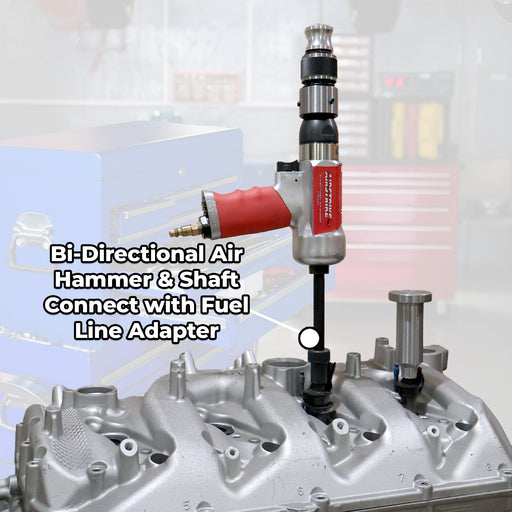
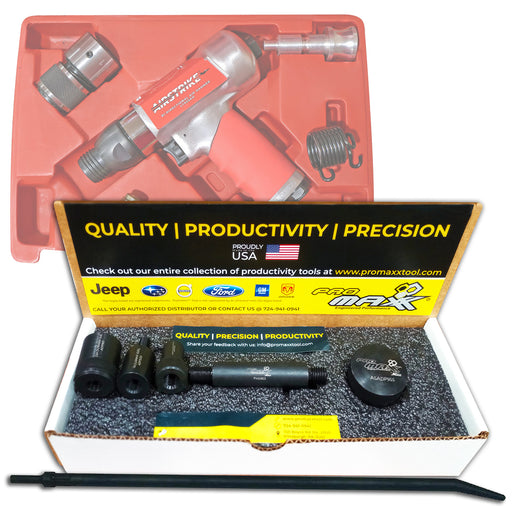
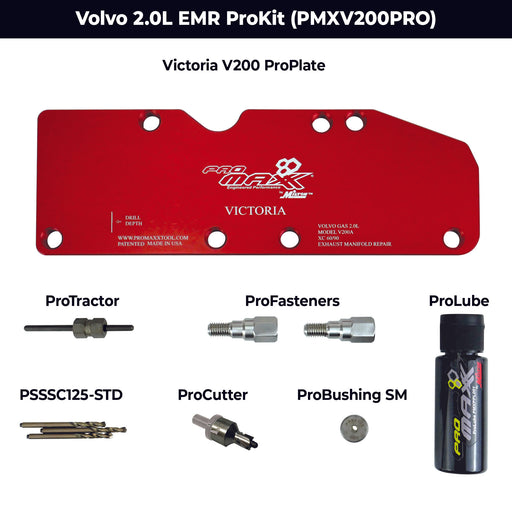
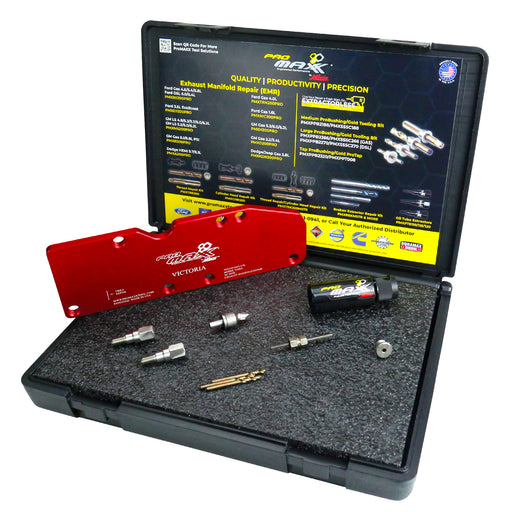


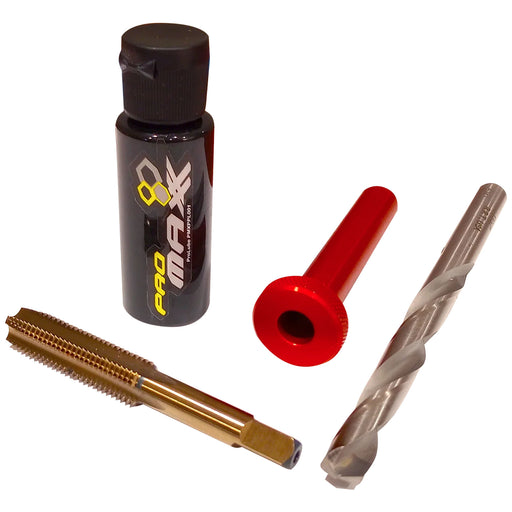
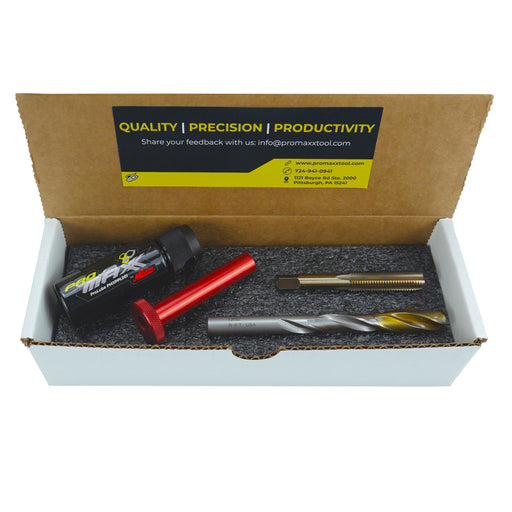
Ford 3.5 Ecoboost Harmonic Balancer Bolt Puller Kit: PMXCSR035KIT - ECO• Compatible with Ford 3.5L Bolt Part: HL3Z-6A340-A & F5RZ-6A340-B• May ...
VIEW MORE
For Saturday delivery or special shipping instructions, please contact ProMAXX Tool M-F 8 a.m. – 5 p.m. EST at 724-941-0941. Expedited Orders Placed by 1pm EST will be Processed Same Day | UPS Ground Processing Time is 1-3 Business Days

Offering a range of policies

Contact our support team today
724-941-0941

1121 Boyce Road
Suite #2000
Pittsburgh, PA 15241
Any motor company logo on this site is a Registered Trademark. ProMAXX Tool is not affiliated with any of the motor companies on this site.
Leave a comment