Fast Shipping Available
Fast Shipping Available

Brake diagnostics has evolved beyond simple visual inspection and pad thickness measurement. Today's vehicles demand accuracy that catches issues before they become liability risks or customer complaints. When you're servicing brake systems, precision directly impacts safety, customer trust, and your shop's reputation.
We understand that brake work carries weight. A misdiagnosed rotor or an overlooked caliper issue doesn't just cost you a comeback visit, it exposes your shop to safety concerns and potential liability. Professional technicians need diagnostic tools that eliminate guesswork and provide measurable data they can document and defend.
The stakes are high because modern vehicles have integrated brake systems with electronic components, variable brake proportioning, and tighter tolerances than older models. Standard eyeball inspection simply cannot detect micron-level variations in rotor thickness or the early stages of caliper slide corrosion that will eventually cause uneven pad wear.
When you invest in proper brake diagnostic equipment, you accomplish three things: you reduce comebacks, you work faster with confidence, and you build a documented service record that protects your business. That's why professional shops have shifted away from basic hand tools and moved toward systems that deliver repeatable, measurable results.
Many shops still rely on basic brake tools: calipers, straightedges, manual pad gauges, and visual inspection. These tools have their place, but they create blind spots in modern brake service.
Here's where standard equipment falls short:
Measurement inconsistency. Hand calipers depend on technician technique. Two measurements of the same rotor taken by different people, or even by the same person at different angles, can show variation. You can't build repeatable service standards on tools where results change based on operator interpretation.
Limited diagnostic depth. A straightedge tells you if a rotor is warped, but it doesn't tell you why, and it won't catch thickness variations that fall within manufacturing tolerance but still affect brake feel. Manual gauges for pad thickness work for basic go-no-go decisions, but they don't capture the data trail modern shops need for liability protection.
No integration capability. Traditional hand tools don't connect to your shop management system or provide printable reports. This means technicians write notes, managers squint at handwriting, and you have no standardized data to track brake service patterns across your shop.
Subjectivity in documentation. When your diagnostic process relies on visual assessment and manual measurement, your service records lack the precision and consistency that protects you legally. If a customer comes back claiming brake failure, your documentation needs to prove exactly what condition you found and what you addressed.
Time waste on verification. Without precise baseline measurements, technicians often re-measure rotors multiple times to confirm their findings, adding labor hours that don't pay. Standard equipment creates uncertainty that costs time.
Modern brake systems have tolerances in the thousandths of an inch. Outdated diagnostic methods can miss these details entirely.
ProMAXX has engineered brake diagnostic solutions that address each limitation of standard shop equipment. Our approach combines precision measurement, data integration, and repeatable protocols that professional technicians can depend on.
Our brake diagnostic systems deliver point-specific measurements with digital precision. Rather than asking "Is this rotor OK?" our tools answer "This rotor measures exactly 11.2mm at point A, 11.18mm at point B, and 10.95mm at point C." That level of specificity tells you whether thickness variation is within OEM specification and whether the rotor has uneven wear patterns that indicate caliper or suspension issues.
We've designed our brake tools collection to work as a system, not as isolated instruments. Our 8-piece manual brake pad gauge set features color-coded, easy-to-read measurements that eliminate guesswork. The metric and SAE markings mean technicians work faster without converting units, and the consistent readability removes interpretation error.
What sets our diagnostic approach apart is the documentation standard it enables. Every measurement feeds into a service record that's consistent, measurable, and defensible. When you document that a rotor measured 10.2mm and your specification floor is 10.0mm, you have proof of the condition found and the decision made. That's the foundation of professional brake service.
Our systems also account for the fact that brake service isn't one-size-fits-all. Vehicle-specific requirements matter. The rotor thickness minimum for a Ford pickup differs from a luxury sedan. Our diagnostic protocols ensure technicians reference correct specifications for each job, eliminating the risk of applying wrong tolerances.
Repeatability is the hallmark of professional service. If you measure the same rotor twice and get different results, you don't have a diagnostic system; you have a source of confusion.
Our precision tools deliver repeatable measurements because they're engineered to eliminate variables. Fixed measurement points, standardized technique, and calibrated instruments mean the same rotor measured today will return the same reading tomorrow, and the same reading if a different technician measures it.
This repeatability serves two purposes. First, it builds confidence. Technicians know their diagnostic findings are solid, so they can communicate with certainty to customers about what they found and why repair is necessary. Second, it creates accountability. If you measure rotors consistently across all jobs, you can track patterns in your brake service data, identify which vehicle lines have premature wear, and adjust your service recommendations accordingly.
We've also built our diagnostic tools with tolerance windows that match OEM specifications. This removes the ambiguity about whether a measurement "close enough" to specification is acceptable. Our gauges and measurement systems show you clearly whether the rotor, pad, or caliper condition falls within safe operating range or requires service.
Accuracy extends beyond the measurement itself. Our tools are designed for the exact way professional technicians work. You're not struggling with awkward hand positions or trying to read a dial from a bad angle. The design recognizes that accuracy depends partly on measurement instrument quality and partly on making the measurement process practical in a real shop environment.
Precision diagnostics might sound like it adds time to the job, but the opposite is true. When you know exactly what's wrong from your first diagnosis, you eliminate do-overs and guesswork.
Consider a typical brake service scenario. A customer brings in a vehicle with a brake concern. A technician using standard hand tools spends time measuring rotors multiple times because early measurements seemed inconsistent. They examine pads, try to judge thickness by eye, and perhaps consult wear patterns on the brake hardware. By the time they've reached diagnostic confidence, they've spent an hour on a job that should take 30 minutes.
With our precision diagnostic approach, the technician measures once, documents the result, and moves to repair. There's no second-guessing because the measurement is authoritative. A color-coded gauge that eliminates interpretation means a pad thickness reading takes seconds, not minutes. The diagnostic phase shrinks dramatically.
Beyond individual job speed, systematic diagnostics create workflow efficiency at the shop level. When all brake jobs follow the same diagnostic protocol, your service writer knows what to expect in terms of diagnostic time. You can schedule more efficiently, set realistic customer wait times, and reduce the bottleneck of technicians spending unpredictable time on diagnosis.
Documentation speed also matters. A technician using manual tools might spend extra time writing up findings in a way that makes sense. Our diagnostic systems that integrate with modern shop management platforms mean findings enter your records automatically, formatted consistently, ready for customer communication or future reference.

The financial benefit of precision brake diagnostics shows up across multiple areas of your operation.
Reduced comeback rates. When your diagnostic process catches subtle issues before they become customer problems, you eliminate callbacks for brake fade, continued noise, or premature wear. Each avoided comeback is labor saved and customer satisfaction protected. Over a year, shops running precision diagnostics typically report 15-20% fewer brake-related callbacks compared to shops relying on standard hand tools.
Faster diagnosis, faster billing. Diagnostic labor is billable labor. When you cut diagnostic time in half by eliminating re-measurement and guesswork, you bill for that labor faster and complete more jobs in the same day. The shop moves more jobs through, and your effective labor rate improves.
Specification-based repair recommendations. Precision diagnostics give you the data to recommend repairs based on measurable need, not guessing. This builds customer trust in your recommendations and reduces the friction of explaining why a rotor needs replacement. Customers respect objective measurement data more than technician opinion, and they're more likely to approve repairs when you show them the specific measurement that exceeds specification.
Liability protection has financial value. While not always immediately obvious, the cost of defending a liability claim or settling a customer dispute over brake work far exceeds the investment in proper diagnostic tools. Professional-grade brake diagnostic equipment protects you by creating documented evidence of the condition found and the repairs recommended or performed.
Equipment longevity. Our tools are built to last. Unlike cheap hand tools that wear out or become unreliable, precision instruments built for professional use remain accurate over years of daily shop work. The cost per job drops the longer you use them.
We recognize that most professional shops already have established systems, software, and workflows. Our brake diagnostic tools integrate into existing environments rather than forcing complete overhauls.
If you're using shop management software, our diagnostic data feeds into that system. Measurements and findings can be recorded in a format that your existing platform understands. This means you don't need to adopt new software or retrain your entire team on a different system. You're enhancing what you already have.
For shops that want deeper integration, our diagnostic protocols work alongside modern telematics and electronic brake diagnostic readers. As vehicles grow more connected, brake systems increasingly incorporate electronic control modules. Our mechanical precision diagnostics complement electronic diagnostics, giving you the full picture of brake system health.
We've also designed our tools to work in workshops of any size. A solo technician operating from a two-bay shop can adopt our diagnostic approach with minimal setup. A larger operation can scale our system across multiple bays and technicians, with all work feeding into a centralized database. The tools grow with your business.
Training integration is straightforward. Our tools are designed intuitively so experienced technicians pick them up quickly. New technicians can learn proper technique without extensive certification programs. The learning curve is weeks, not months.
Professional technicians who've adopted precision brake diagnostics report consistent improvements in their work quality and efficiency.
A transmission and engine shop in the Midwest that added our brake diagnostic system to their service menu reported a 35% reduction in brake-related comebacks within six months. Their technicians gained confidence in their brake recommendations, and customers appreciated receiving detailed diagnostic reports showing exactly what they found.
A diesel truck specialist shop that previously relied on standard hand tools found they could complete brake diagnostics 40% faster with our precision approach. That speed gain translated directly to more jobs completed per week, improving shop throughput without adding labor.
Technicians report that precision diagnostics also improved their work satisfaction. Rather than spending time on uncertainty and re-measurement, they spend time on actual repair work where they apply their skill. The diagnostic phase becomes quick and confident rather than frustrating.
Shops also report better customer communication. When you can print a detailed diagnostic report showing rotor thickness measurements, pad wear patterns, and caliper condition with specific data, customers understand the brake service recommendation clearly. This reduces sales resistance and builds trust in your shop's expertise.
From a business perspective, shops using our diagnostic tools report improved margins on brake work. The combination of faster diagnosis, higher job completion rates, and better customer approval rates for recommended repairs increases the profitability of the brake service category.
ProMAXX has built our reputation on solving the problems that professional technicians face every day. We don't design tools in isolation. We work with shop owners and technicians to understand where standard equipment fails, and we engineer solutions that work in real workshops serving real customers.
Our brake diagnostic tools reflect this hands-on development process. They're precision instruments built with the durability and reliability that professional shops demand. They integrate into existing workflows rather than forcing disruption. They're priced for professional operations, not inflated for specialty markets.
We stand behind our equipment with support that actually matters. If you have questions about proper diagnostic technique, specification interpretation, or workflow integration, you have access to professionals who know brake service. We're not a faceless parts supplier. We're invested in your success.
The industry standard emerges from consistent results and trusted reputation. Shops that have moved from standard hand tools to our precision brake diagnostics don't go back. The improvement in confidence, efficiency, and outcomes is too significant to abandon. Other shops notice these results and adopt our approach.
Our brake diagnostic systems have become the standard because they solve the real problems that standard equipment creates. They deliver precision, they save time, and they protect your shop. That combination is hard to beat.
The decision to upgrade from standard shop equipment to professional-grade diagnostic tools is a business investment, not an expense. The financial return typically shows up within the first year.
Calculate your current brake service metrics. How many jobs do you complete in an average week? What percentage result in comebacks? How many hours does your team spend on diagnosis versus repair? Once you have baseline numbers, you can project the impact of faster diagnostics and fewer comebacks.
Most shops find that the investment in quality brake diagnostic tools pays for itself within 6-12 months through a combination of faster job completion and reduced comebacks. After that, the tools are essentially free, generating profit on every brake job.
The timeline to implementation is also quick. You don't need an extended transition period. Your technicians can begin using our diagnostic tools on the next brake job, and quality improves immediately. Training is straightforward, and the tools integrate into your existing systems without disruption.
Start with the diagnostic essentials. The brake pad gauge set is a logical first step, providing immediate improvement in pad measurement consistency. As you see the benefits, you can expand to rotor thickness measurement, caliper assessment tools, and full integrated diagnostic protocols.
ProMAXX brake diagnostic tools are an investment in the professionalism and precision of your shop. They're the choice when you've decided that standard equipment is no longer sufficient, and when you want diagnostics that your technicians trust and your customers respect. Contact us today to discuss which diagnostic tools are right for your operation.
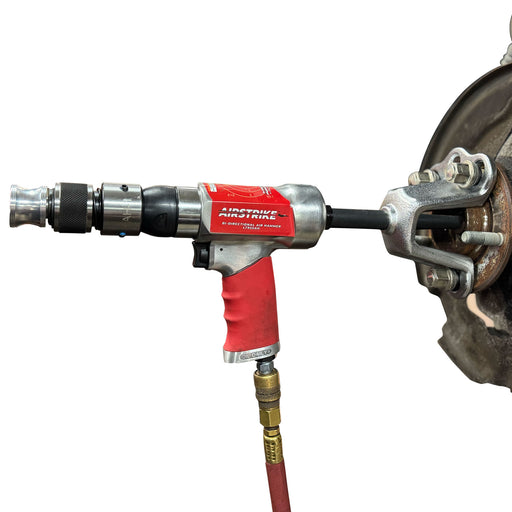
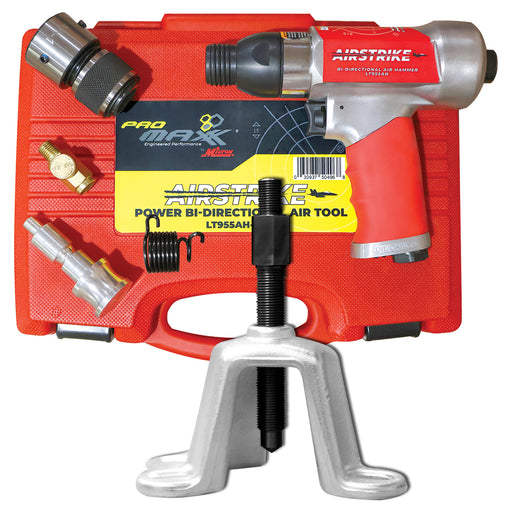
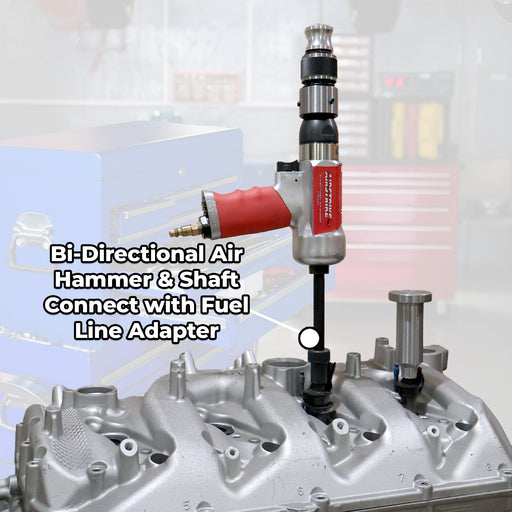
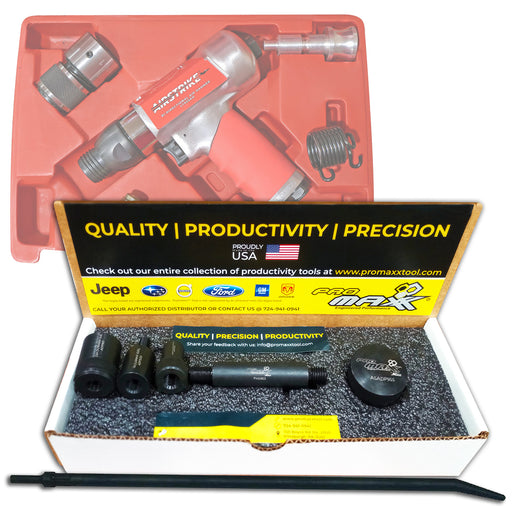
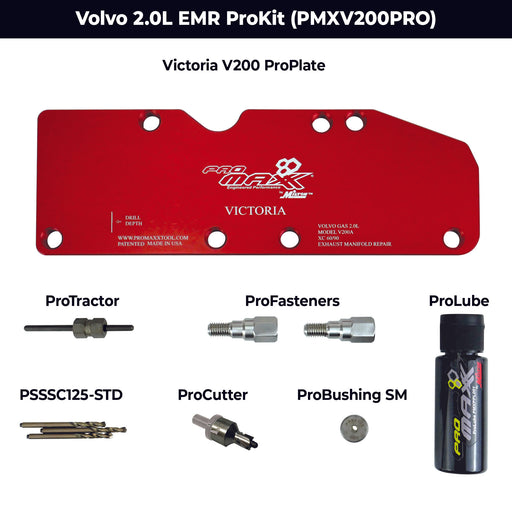
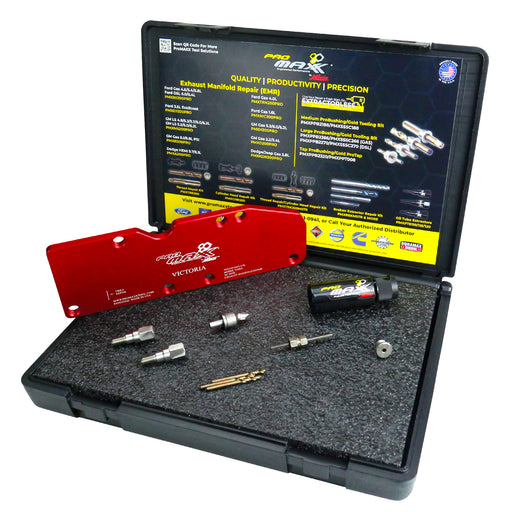


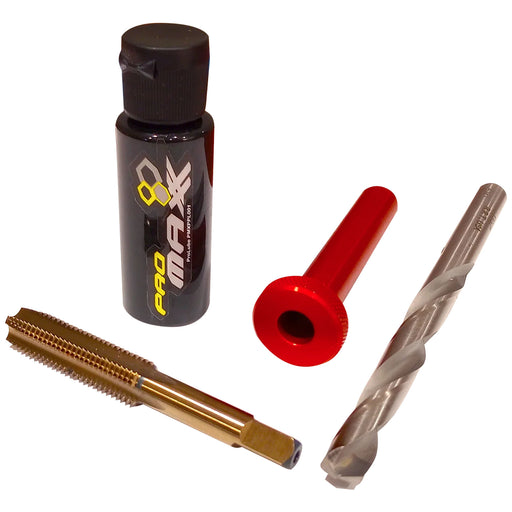
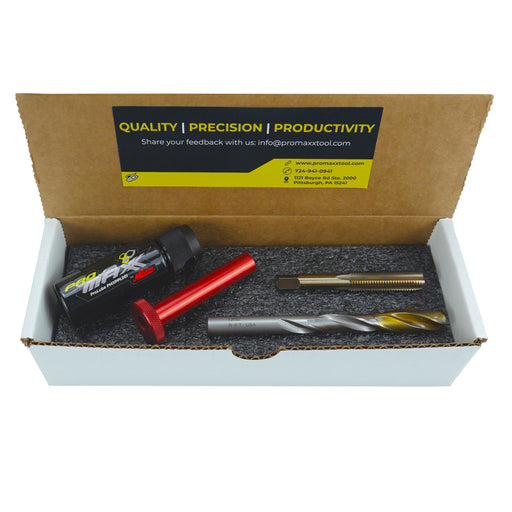
Ford 3.5 Ecoboost Harmonic Balancer Bolt Puller Kit: PMXCSR035KIT - ECO• Compatible with Ford 3.5L Bolt Part: HL3Z-6A340-A & F5RZ-6A340-B• May ...
VIEW MORE
For Saturday delivery or special shipping instructions, please contact ProMAXX Tool M-F 8 a.m. – 5 p.m. EST at 724-941-0941. Expedited Orders Placed by 1pm EST will be Processed Same Day | UPS Ground Processing Time is 1-3 Business Days

Offering a range of policies

Contact our support team today
724-941-0941

1121 Boyce Road
Suite #2000
Pittsburgh, PA 15241
Any motor company logo on this site is a Registered Trademark. ProMAXX Tool is not affiliated with any of the motor companies on this site.
Leave a comment